 |
||
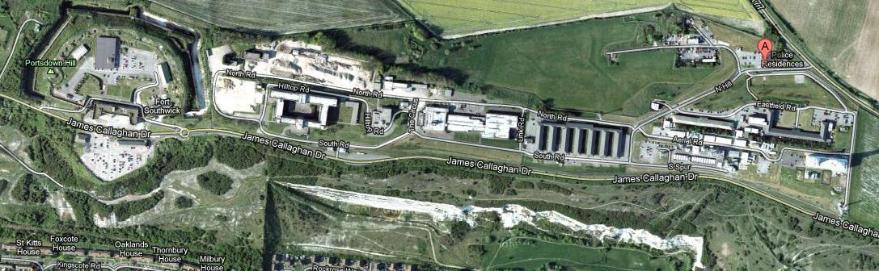
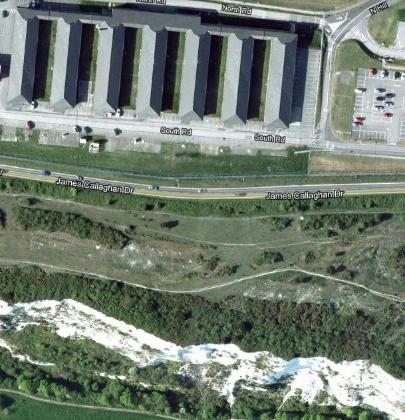 An Underground Radio Station was in a tunnel, dug to the south of G leg. Associated antennae and a brick building were above, on the top of the cliff. A privately owned Air Raid Shelter was constructed in the chalk cliffs approximately in front of B Leg. This was owned by the (wealthy) Cooper family, who owned much of Paulsgrove/Portchester's farmland. 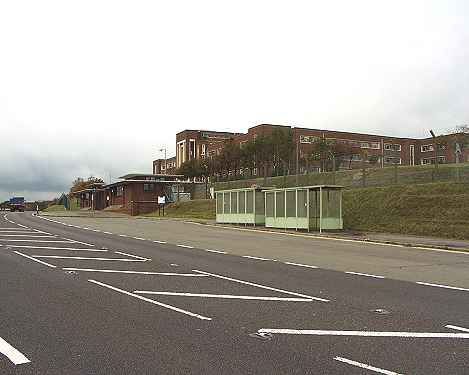 Portsdown Main - was the art deco building to the West. Home of the Admiralty Surface Weapons Establishment (ASWE) (Given various names during it's life!) 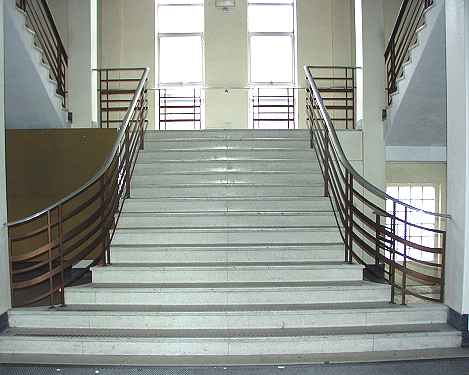 The Victorian Forts The Victorian forts can be divided into two distinct types, the Land front forts designed to protect from land based attack and the coast defence batteries designed to defend against naval forces. Both were manned by regular garrison artillery supplemented in time of need by volunteer artillery supported by field artillery and infantry regiments. The forts served as barracks throughout the Victorian period and almost all of them were fully armed by 1888. Despite the derogatory term of 'Palmerston's Follies' applied to the forts on Portsdown Hill by the local press at Portsmouth the forts ensured that the harbours of the United Kingdom were the best defended in Europe, if not the world. They guaranteed the safety of our country into the 20th Century and today many of them survive intact. Some are actively preserved whilst others have declined into decay and neglect. Some are still occupied by the military and others have been converted to modern use.
|
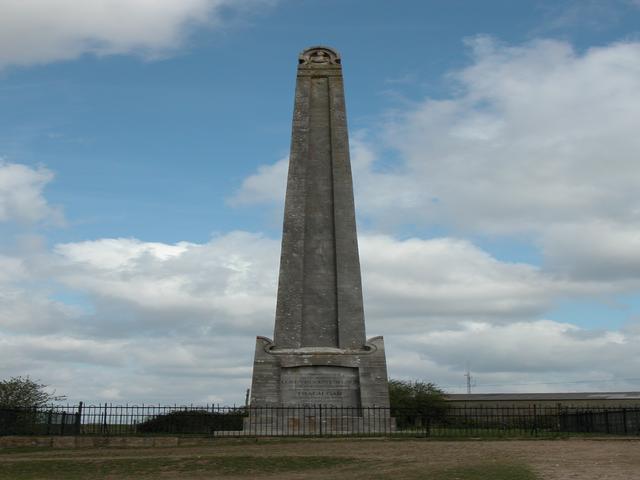 Nelson Monument, Portsdown Hill, Boarhunt, Hampshire. This 110 feet (34 m) tribute has stood here for almost 200 years, with the foundation stone being laid in 1807, only two years after Nelson's death. The monument was created from subscriptions raised by the officers and men of the Fleet who served under Lord Nelson at the Battle of Trafalgar. 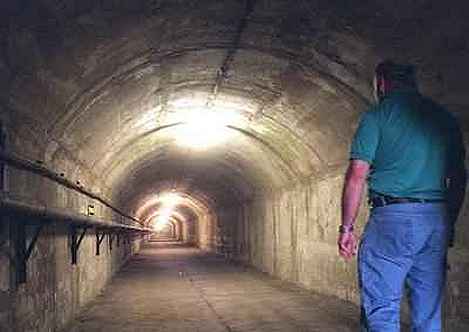 One of the tunnels associated with the fuel bunkers west of Fort Southwick.... 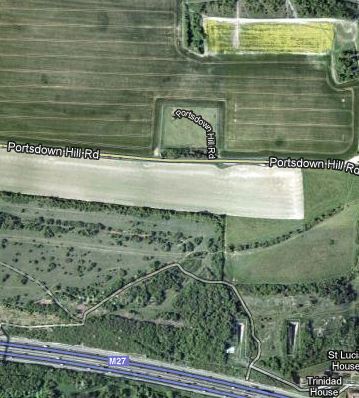 The 2 x outlets from the Fuel tanks can be seen in the bottom right of this image. The square compound in the middle can clearly be seen from the main road, surrounded by razor wire, with a small brick building towards the back. FFO (Furnace Fuel Oil) was stored here. ============================================================= This large underground headquarters was built under Fort Southwick in 1942 as a naval command centre. The complex comprises over 100 Rooms and was used during Operation Overlord. All military use of the fort ceased in 2002 and it was sold to the Fort Southwick Company Limited in July 2003. Where, on 5 June 1944, General Dwight D. Eisenhower made the historic and risky decision to launch the D Day invasion.
|
|


